|
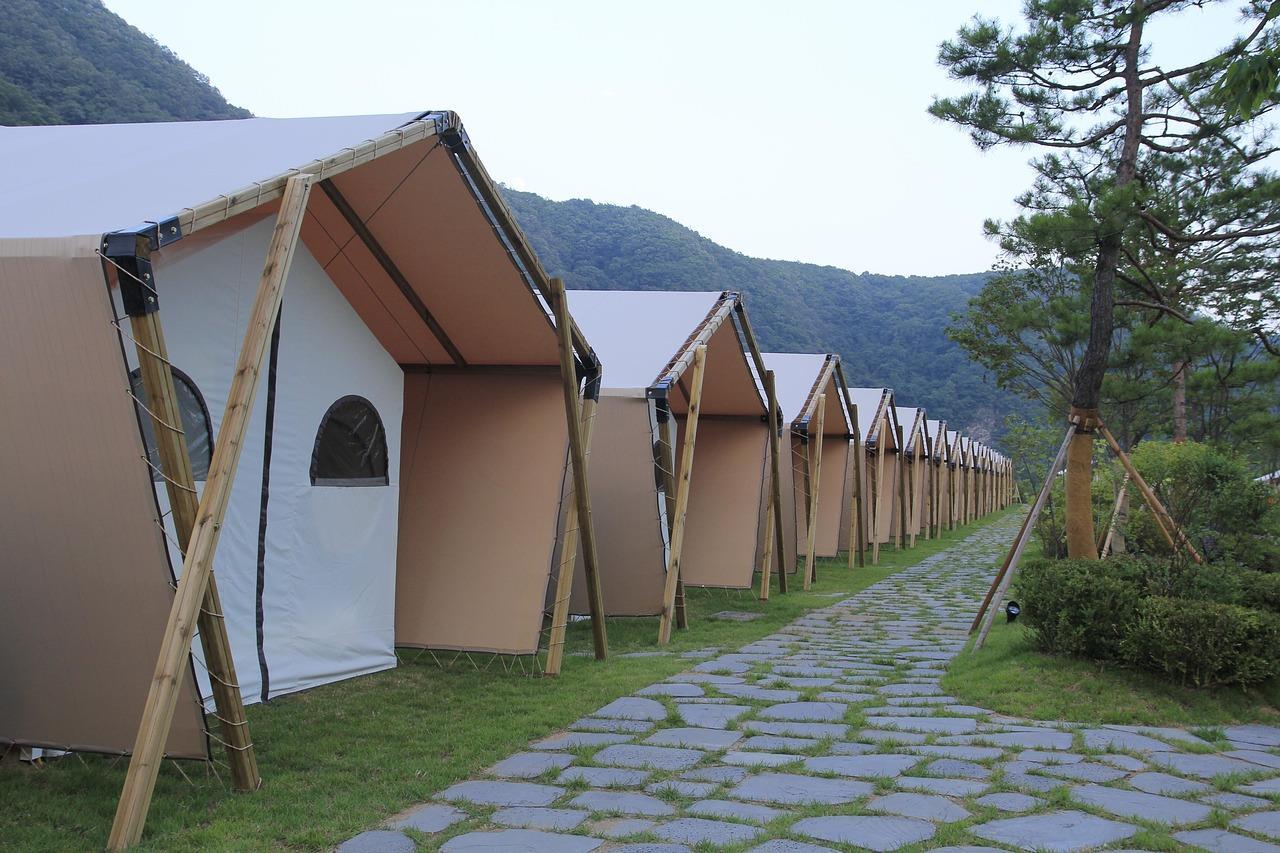
Outdoor hospitality is evolving. Many guests want nature, but they also expect a dry interior, a comfortable bed, and an accommodation that looks great in photos. For campsite owners and glamping operators, the challenge is selecting tent units that stay attractive for years, not just one season. This guide explains what to look for in sustainable glamping tents and premium camping tents, with a focus on durability, guest comfort, and predictable operating costs. A quick checklist before you compare modelsBefore you get lost in layouts, align on criteria that affect daily operations. – All weather performance for wind, heavy rain, and strong sun – Low maintenance fabrics that resist mildew and stay colorfast – Responsible material choices that support sustainability goals – Fast setup and accessible replacement parts to reduce labor time – A design that fits your brand and supports higher nightly rates If a supplier cannot explain how construction and materials support these points, you may face higher costs later. Materials that support sustainable operationsSustainability is not only about a label. In outdoor accommodation, it also means buying products that last longer, need fewer repairs, and can be used across multiple seasons. Look for UV resistant fabrics to slow fading and fiber breakdown. Anti mildew treatments matter in humid regions, near lakes, or anywhere condensation is common. Another topic that is increasingly relevant is PFAS. Many operators now prefer PFAS free materials to reduce environmental impact and align with guest expectations. If you want a benchmark for how premium performance and PFAS free options can be combined, explore osso and review how their tent ranges are positioned for professional outdoor hospitality. Comfort details that drive reviewsComfort is what turns a good stay into a great review. Even if a tent is technically strong, guests judge it on everyday details. Prioritize ventilation and airflow to reduce condensation, layouts that allow storage and easy movement, and weatherproof entrances or awnings that create usable outdoor space. A premium look and feel also matters because it photographs well and supports your pricing. ROI is more than the purchase pricePremium tents can cost more upfront, but the real comparison is total cost of ownership. A tent that lasts longer and stays visually appealing can generate more revenue per pitch. Ask yourself how many seasons you can realistically operate the unit, what repair and cleaning workload to expect, whether it will still look new enough in year three to justify your rates, and whether you can use it for shoulder seasons or even year round demand. Maintenance habits that protect your investmentEven the best tent benefits from a routine that prevents small issues from becoming expensive downtime. – Clean gently and regularly, especially after wet periods – Let fabrics dry fully before storage to reduce mildew risk – Check zippers, pegging points, and tension lines on a schedule – Keep a small kit of spare parts for quick fixes between guest stays A practical next stepIf you are planning new glamping units or upgrading older stock, treat tents like long term assets. Compare materials, treatments, and construction quality with the same care you would apply to cabins. A sustainable, durable tent that delivers comfort can strengthen your brand, improve guest satisfaction, and protect your margins season after season. |